Understanding Full Container Load and Less‑than‑Container Load for Smart Shipping Decisions
In today’s global supply chain, choosing the right shipping method can make a significant difference to your bottom line, delivery speed, and overall logistics efficiency. You might be a a small business importing goods into Australia, or a large brand heading overseas with bulk cargo. In all cases, understanding the core differences between FCL (Full Container Load) and LCL (Less‑than‑Container Load) is essential. This guide unpacks both options, their advantages and disadvantages, and when each makes sense for your business.
What Are FCL and LCL?
At a high level, FCL and LCL describe how container space is allocated in ocean freight shipping:
- FCL (Full Container Load) means you lease and use an entire container exclusively for your shipment. The container is sealed and transported directly to its destination.
- LCL (Less‑than‑Container Load) means your goods share container space with cargo from other shippers. You pay only for the space your items occupy.
Think of FCL as renting an entire room for your belongings, whereas LCL is more like storing your items in a shared warehouse; you pay for your portion of space used.
Full Container Load (FCL): When to Choose It
What FCL Really Means
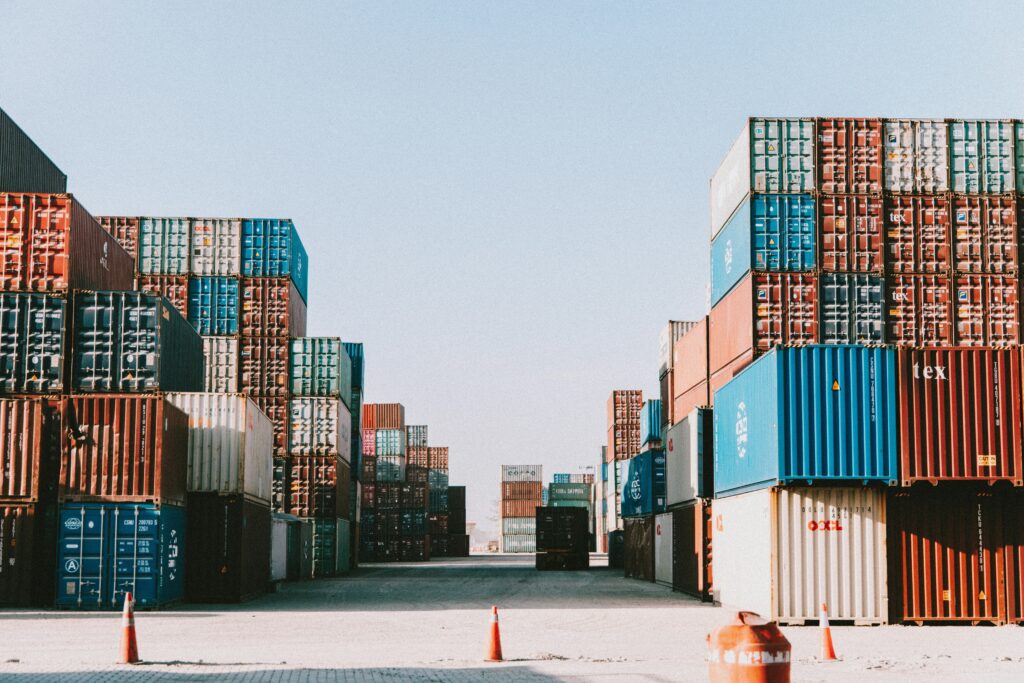
With FCL, you’re paying for an entire shipping container exclusively for your cargo, which is usually a 20‑foot or 40‑foot standard container, regardless of whether it’s completely filled.
Advantages of FCL
1. Enhanced Security and Reduced Handling
Your goods are loaded at origin and sealed in a container until they reach their final port. This minimises handling and reduces the risk of damage, loss, or contamination; which is a key benefit if you’re transporting fragile or high‑value items.
2. Faster Transit and Less Delay
Since the container is dedicated to your shipment and may not require consolidation or de‑consolidation, FCL shipments typically move faster through the supply chain.
3. Cost Efficiency for Larger Loads
When your shipment occupies a significant portion of a container (often above ~15 cubic metres), FCL becomes more cost‑effective, offering lower per‑unit freight costs compared to LCL.
Disadvantages of FCL
1. Higher Overall Cost for Small Volumes
If your cargo doesn’t fill the container, you’re still paying for the entire space which may be inefficient for smaller loads.
2. Requires Larger Logistics Planning
Receiving a full container at destination means arranging adequate storage or transfer infrastructure — something smaller operations may find complex.
Less‑than‑Container Load (LCL): A Flexible Alternative
What LCL Means
LCL shipping allows multiple shippers to combine smaller cargo into one container. Each shipper pays only for the space their goods occupy which is usually calculated in cubic metres.
Advantages of LCL
1. Cost‑Effective for Small Loads
LCL is ideal if you don’t have enough goods to fill a full container. Sharing space keeps upfront costs down and avoids paying for unused areas.
2. Greater Flexibility and Frequency
You don’t need to wait until you accumulate a full container’s worth of goods to ship. This flexibility can improve cash flow and support more frequent deliveries.
3. Easier Entry for Growing Businesses
Small and medium‑sized enterprises testing new markets or dealing with sporadic orders benefit from the scalability that LCL provides.
Disadvantages of LCL
1. Longer Transit and Handling Times
Containers must be consolidated and de‑consolidated, so goods can be handled multiple times. For this reason, LCL shipments often take longer than FCL.
2. Higher Per‑Unit Costs for Larger Shipments
LCL can become more expensive on a per cubic metre basis as shipment size increases, especially beyond the threshold where FCL becomes more efficient.
3. Slightly Higher Risk of Damage
More handling and shared space can translate into a higher risk of mishandling, though good packaging and reliable freight partners mitigate this.
FCL vs LCL: How to Decide
Choosing between FCL and LCL depends on your shipment size, budget, timing, and the nature of your goods.
If your cargo takes up a small portion of a container, LCL is usually the more economical choice. But once your load reaches around 15 cubic metres, FCL can offer better value, thanks to fixed container pricing and lower per-unit costs.
FCL also tends to be faster and more reliable, with fewer delays since the container doesn’t require consolidation. If delivery speed matters, FCL is the better option.
Finally, consider the type of goods you’re shipping. Fragile or high-value items benefit from the dedicated space and minimal handling of FCL, while LCL is suitable for more general cargo that can withstand extra touchpoints.
Final Thoughts
Choosing the right container strategy can improve cost efficiency, reduce transit times, and strengthen your overall logistics ecosystem. Understanding FCL vs LCL empowers your business to make informed logistics decisions; from importing seasonal stock, scaling supply chains, or launching new products internationally.
At Icelander Logistics, we tailor solutions that suit your unique business needs. By combining industry expertise with personalised support, we help businesses of all sizes navigate supply chain challenges confidently. Contact us to talk about how we can help you.