When most people think of logistics, they imagine the process of moving goods from point A to point B: trucks, warehouses, and shipping containers carrying everything from furniture to electronics. That’s the world of regular logistics – a vast system designed to manage the storage, transportation, and delivery of products efficiently, safely, and on time.
But not all goods can be treated the same way. While a box of shoes or a set of tools can sit on a warehouse shelf for weeks without issue, other items (like fresh salmon, ice cream, vaccines, or specialty chemicals) are extremely sensitive to temperature. For these products, regular logistics isn’t enough. This is where cold-chain logistics comes in.
What Is Cold-Chain Logistics?
Cold-chain logistics refers to a specialised supply chain system designed to keep perishable or temperature-sensitive products within a specific temperature range from origin to delivery. Think of it as a carefully managed, temperature-controlled journey, ensuring goods remain fresh, safe, and effective at every stage whether in refrigerated storage, chilled transport, or insulated packaging.
Unlike regular logistics, which prioritises speed and efficiency, cold-chain logistics adds another crucial dimension: unbroken temperature control. From the moment goods are harvested, manufactured, or packaged, they must remain in a controlled environment all the way to the final customer. A single break in that chain could mean spoilage, waste, or even health risks.
Cold-Chain vs. Regular Logistics: Key Differences
| Aspect | Regular Logistics | Cold-Chain Logistics |
| Temperature Control | Products are transported and stored at ambient temperatures. | Requires strict, continuous temperature ranges (e.g. 2–8 °C for chilled goods, −20 °C or lower for frozen). |
| Equipment & Packaging | Uses standard trucks, warehouses, and pallets. | Relies on refrigerated trucks, reefer containers, cold rooms, insulated packaging, and sometimes dry ice or gel packs. |
| Monitoring | Focuses mainly on tracking location and delivery schedules. | Includes real-time monitoring of temperature, humidity, and other environmental factors using sensors and IoT devices. |
| Regulation | Compliance centres on customs, safety, and transport documentation. | Must meet strict food safety and pharmaceutical standards, with detailed temperature logs and audits. |
| Risk & Impact | A delayed delivery might mean inconvenience or minor loss. | Even short exposure to the wrong temperature can spoil or render goods unsafe, leading to higher financial and safety risks. |
| Cost & Complexity | Lower costs and simpler processes. | Higher costs due to specialised infrastructure and stricter management requirements. |
What Services Does Cold-Chain Logistics Include?
A full cold-chain system can involve multiple services working together to protect products. Some of the most common include:
1. Cold Storage
Dedicated cold rooms and freezer warehouses ensure products remain at the correct temperature before they even begin their journey.
2. Refrigerated Transport
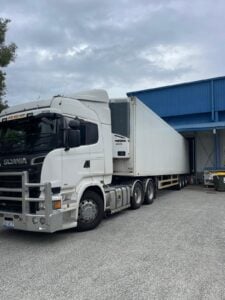
From refrigerated trucks to reefer containers for sea freight, transport vehicles are equipped with cooling systems and monitoring technology to keep goods stable in transit.
3. Pick & Pack Fulfilment
Orders are assembled and packed within temperature-controlled environments so they leave the facility in perfect condition.
4. Pallet Services
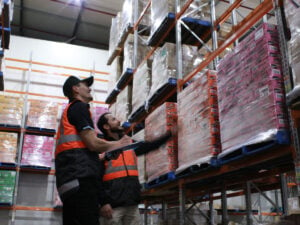
Cold-chain palletisation ensures products are packed securely for transit while maintaining strict cold conditions.
5. Container Services
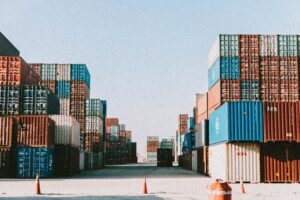
For larger freight movements, container services allow goods to remain sealed in a fully temperature-controlled environment from port to destination.
6. Cross-Docking & Freight Consolidation
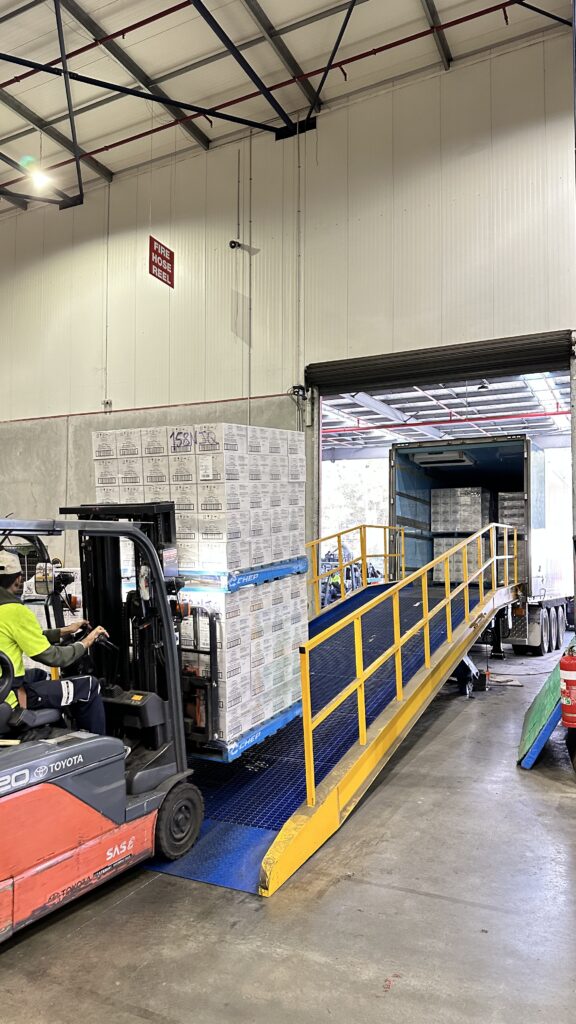
Products are transferred quickly between vehicles in chilled environments, minimising exposure to outside conditions.
Why It Matters
Cold-chain logistics isn’t just about moving goods. It’s about preserving product integrity, protecting public health, and minimising waste. A few key reasons it matters:
- Product safety – Proper temperature control prevents spoilage or contamination, making sure food is safe to eat and medicines are effective.
- Reduced waste – By extending shelf life, cold-chain handling cuts down on losses for businesses and consumers.
- Regulatory compliance – Industries like healthcare and food rely on strict cold-chain systems to meet legal requirements and customer expectations.
- Customer trust – Businesses that can guarantee product quality, from source to shelf, build stronger reputations and customer loyalty.
Conclusion
Regular logistics is about moving goods quickly and efficiently. Cold-chain logistics takes it a step further by adding the critical responsibility of maintaining safe temperatures throughout the journey. With specialised equipment, advanced monitoring, and strict compliance, the cold chain ensures that sensitive products arrive as fresh, safe, and effective as when they left their origin.
For industries handling food, pharmaceuticals, or other perishables, the cold chain isn’t optional, it’s essential.
If you are a business in need of cold chain logistic services, contact Icelander Smart Logistics today for a full breakdown of cold-chain solutions tailored to your business needs.